



Google just gave “kicking the can down the road” a whole new meaning…
In case you needed another flashing neon sign that this AI boom is drifting from “ambitious” into “historically unhinged,” Google’s latest move should do it.
The internet OG is planning to sell a 100-year bond. And no that’s not a metaphor or typo. That’s an actual century-long IOU that doesn’t come due until around 2126, a year when Google Search may exist purely as a nostalgic museum exhibit explaining how humans used to type questions instead of thinking them.

If it happens, Alphabet Inc. would become the first major tech company to issue century-long debt since the dot-com era… back when Friends dominated TV ratings and investors sincerely believed “page views” were a business model (spoiler: they were not). The last tech company that tried something like this was Motorola in 1997, which, to put it gently, did not spend the next hundred years ruling the global economy.
The bond is tucked inside a massive, multi-currency debt deal, but it’s doing all the talking. It’ll be issued in British pounds as part of Google’s first-ever sterling bond sale, and it could be priced as soon as tomorrow.
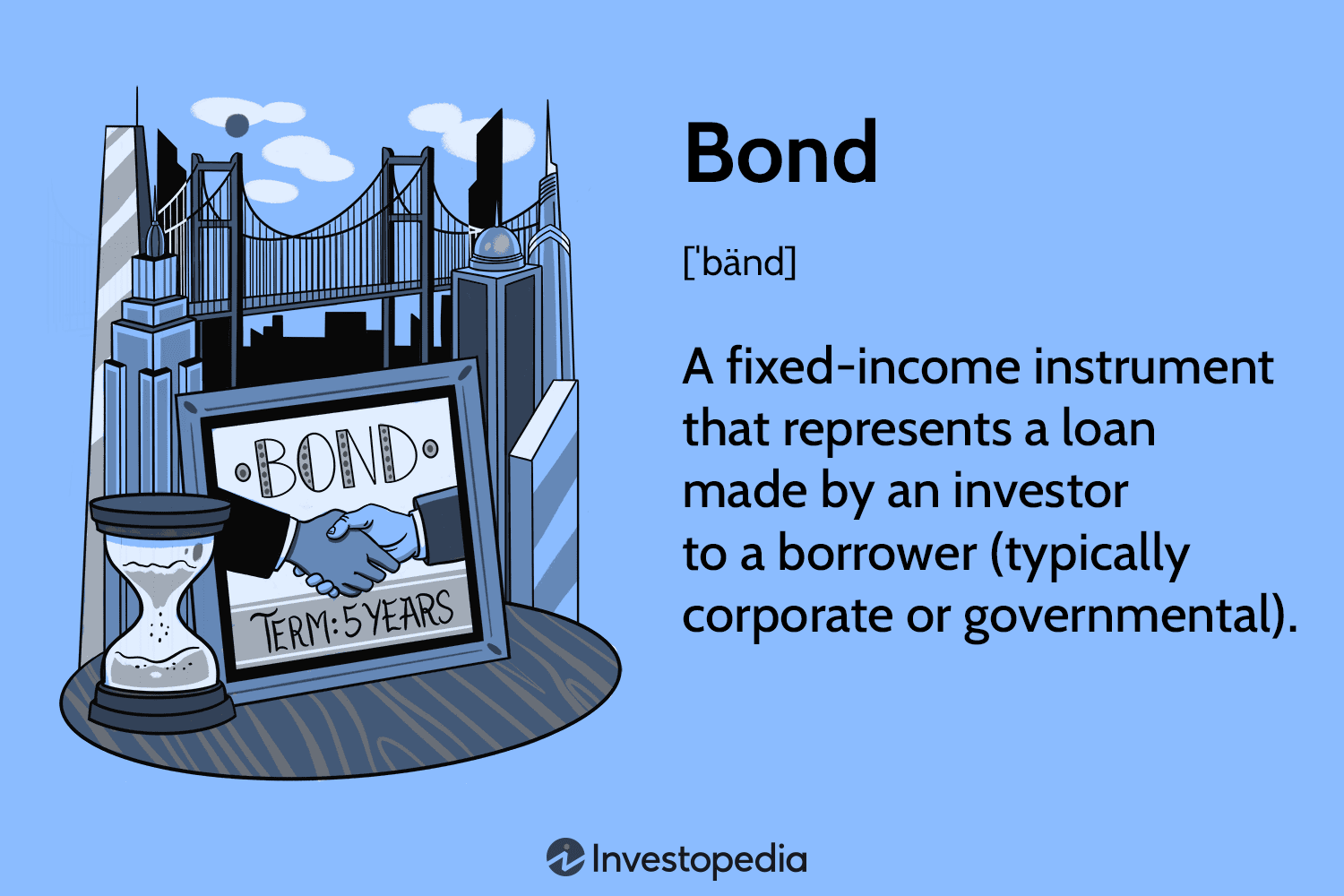
In case you’re only educated about stonks… Century bonds are normally reserved for governments, universities, and institutions that expect to survive wars, depressions, and at least one total monetary rethink. Corporations (especially tech companies) almost never touch them. Tech changes too fast. Business models age like milk. Issuing debt that matures in a hundred years is essentially a public declaration that you think you’ll still matter when today’s innovation cycle is a trivia question.
(Source: Fortune)
Google’s willingness to borrow money it won’t repay for 100 years comes down to one thing: the bill for AI keeps doubling. Alphabet is looking at as much as $185 billion in capex this year. At that scale, you don’t want jittery money. You want capital that’s already accepted it won’t be heard from again… or at least not until your grandkids, grandkids exist.
That’s also why this bond is denominated in sterling. UK pension funds and insurers love long-dated debt. The sterling market has become the go-to place if you want investors who think in decades instead of quarters. The irony is that the few non-government institutions that issued 100-year sterling bonds back in 2021 are now trading well below face value. Time, it turns out, is brutal when rates go up.
(Source: Investopedia)
And just to be completely clear, a century bond doesn’t guarantee a century-long company. J.C. Penney issued one and still managed to go bankrupt just 23 years later. A 100-year bond doesn’t promise immortality. It just promises that someone, somewhere, is supposed to get paid… assuming the lights are still on.
The wild part is that this isn’t even Google’s whole funding plan. The century bond is just the attention grabber. Alphabet is also lining up Swiss-franc bonds and riding momentum from its last bond sale, where $17.5 billion attracted roughly $90 billion in demand. In case you’re wondering, there was no hesitation. Capital moved immediately.

This is just an underlying symptom of the AI arms race. Big Tech is spending and borrowing at a scale that makes once-exotic financial tools feel normal. When infrastructure budgets start resembling national GDPs, borrowing into the next century starts to feel… logical.
Will every tech company start issuing 100-year bonds? Probably not. Even bond veterans admit this is still weird. But the message Google is sending is unmistakable. Sundar Pichai is comfortable locking in capital on timelines that assume Google will still matter generations down the line. Or at least long enough for someone in 2126 to clear the final payment.
At the time of publishing this article, Stocks.News holds positions in Google as mentioned in the article.
Did you find this insightful?
Bad
Just Okay
Amazing
Disclaimer: Information provided is for informational purposes only, not investment advice. We do not recommend buying or selling stocks. Stock price discussions are based on publicly available data. Readers should conduct their own research or consult a financial advisor before investing. Owners of this site have current positions in stocks mentioned throughout the site, Please Read Full Disclaimer for details Here https://app.stocks.news/page/disclaimer