TikTok Cheats Death Again as Trump-Backed Deal Ends the “Ban” Fantasy Once and for All
Congratulations TikTok creators… you don’t have to go get real jobs that add value to the world… at least not yet.
After years of lawmakers treating TikTok like a digital biohazard, endless hearings, Supreme Court drive-bys, and more shutdown countdowns than a SpaceX launch, alas, Tiktok still lives.

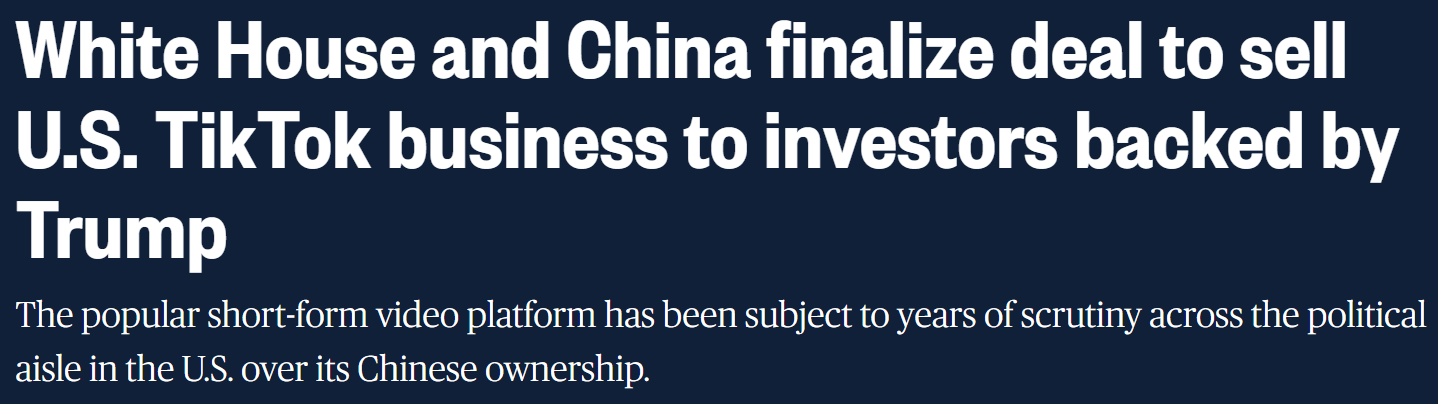
The White House and China have officially signed off on a deal that hands control of TikTok’s U.S. business to a group of investors backed by Donald Trump… ending what has become one of the longest, weirdest, and most politically confusing tech sagas of the decade.
So what actually happened?
TikTok announced Thursday that a new entity (TikTok USDS Joint Venture LLC) will take over U.S. operations. The app will stay live, Americans can keep doom-scrolling, and influencers can go back to pretending their lives aren’t sponsored by Bloom supplements.
ByteDance, TikTok’s Beijing-based parent company (ByteDance), will still own 19.9% of the U.S. business. But control is going to shift stateside.
(Source: NBC News)
The new setup includes a seven-member board, mostly American, plus an aggressive amount of promises about data protection, algorithm security, content moderation, and other phrases that poll well in Senate hearings. TikTok says this ensures U.S. user data stays protected while creators remain globally visible. I mean is this actually shocking anyone? Did you really think that killing a 200-million-user app was actually on the table.
Who’s running the show?
The new company will be led by Adam Presser (Adam Presser), with TikTok CEO Shou Chew taking a board seat.
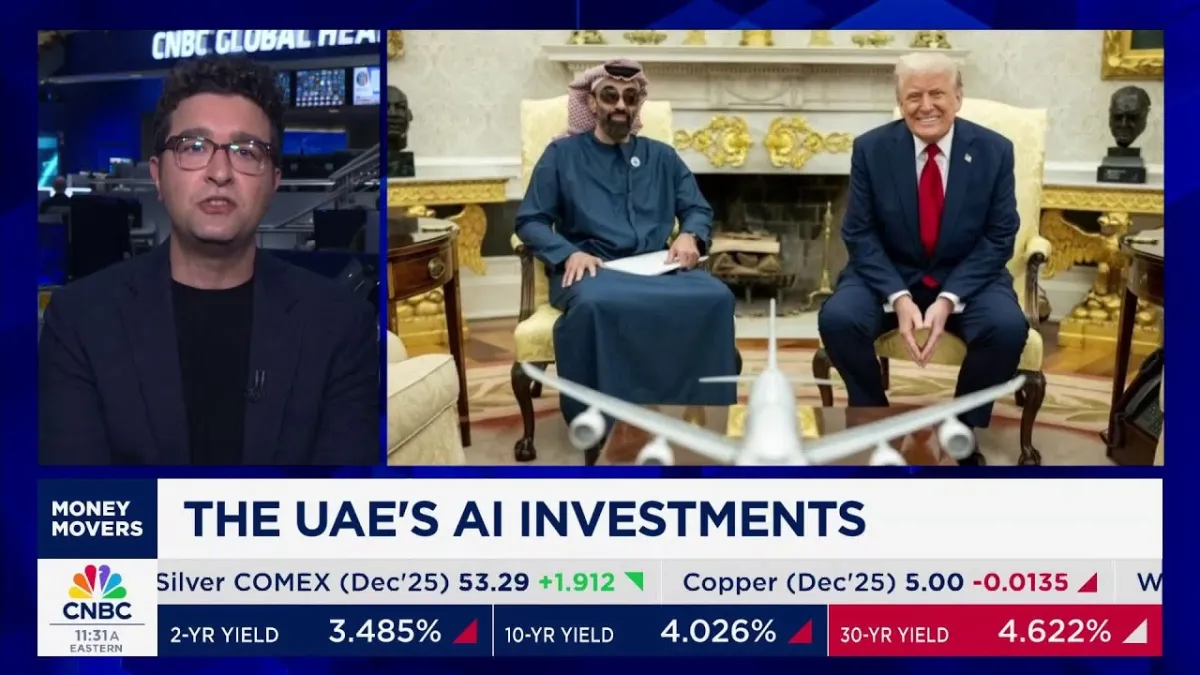
The investor group is exactly what you’d expect if you mashed together Silicon Valley, private equity, and some of the most powerful people in a blender (metaphorically, of course). Oracle takes a 15% stake, Silver Lake is in the mix, and MGX (a UAE-backed investment firm) rounds it out. Very red, white, blue… and offshore.
(Source: CNBC)
Oracle, in particular, gets the keys to TikTok’s most sensitive asset: the algorithm. The recommendation engine will now live inside Oracle’s U.S. cloud, trained on U.S. user data, and babysat by third-party cybersecurity reviewers. Larry Ellison got his wish. He may not have gotten Warner Bros, but this makes up for that and then some.
Trump wasted zero time posting on Truth Social, calling the deal a “very dramatic, final, and beautiful conclusion.” He also thanked Xi Jinping for approving the deal, noting that China “could have gone the other way.”
Not exactly shy. But hey… diplomacy is diplomacy.
This is especially funny given Trump’s history with TikTok. Remember, in 2020, he tried to ban it. Courts said “absof***inglutely not.” By 2024, he was posting on the app, chasing young voters, and promising to save TikTok like it was a distressed mall retailer. Last year he even suggested Larry Ellison should buy it. And now Oracle owns a meaningful chunk of the thing.

It’s easy to forget how close this came to ending ugly. The ban was locked in, upheld, and legally binding, leaving ByteDance with a simple choice: sell TikTok or shut it down. That uncertainty pushed creators to start planning exits and sent audiences scattering to other platforms, which probably explains why Instagram Reels and YouTube Shorts suddenly started feasting. Some users even rage-downloaded China’s RedNote just to spite Congress.
TikTok briefly went dark, which was just enough to scare everyone before the usual Washington stall tactics kicked in. Deadlines started getting “temporarily” extended, enforcement shifted from Biden’s White House to Trump’s incoming administration, and suddenly no one seemed eager to be responsible for killing an app used by more than 200 million Americans.
Funny how that works.
After this new agreement, it might be time to retire the “TikTok is getting banned” narrative for good. It’s never happened, and at this point it’s clearly not going to.
At the time of publishing this article, Stocks.News holds positions in Meta and Google as mentioned in the article.