This Translator App is WAY Oversold… According to Common Sense And Technical Analysis
You ever have that one friend who comes over, kicks their feet up on your couch, raids your fridge, and acts like they own the place? That was Duolingo to the rest of the stock market just a few weeks ago.
They were on fire… up 200% since August and hit all-time highs back in February. Investors couldn’t get enough.
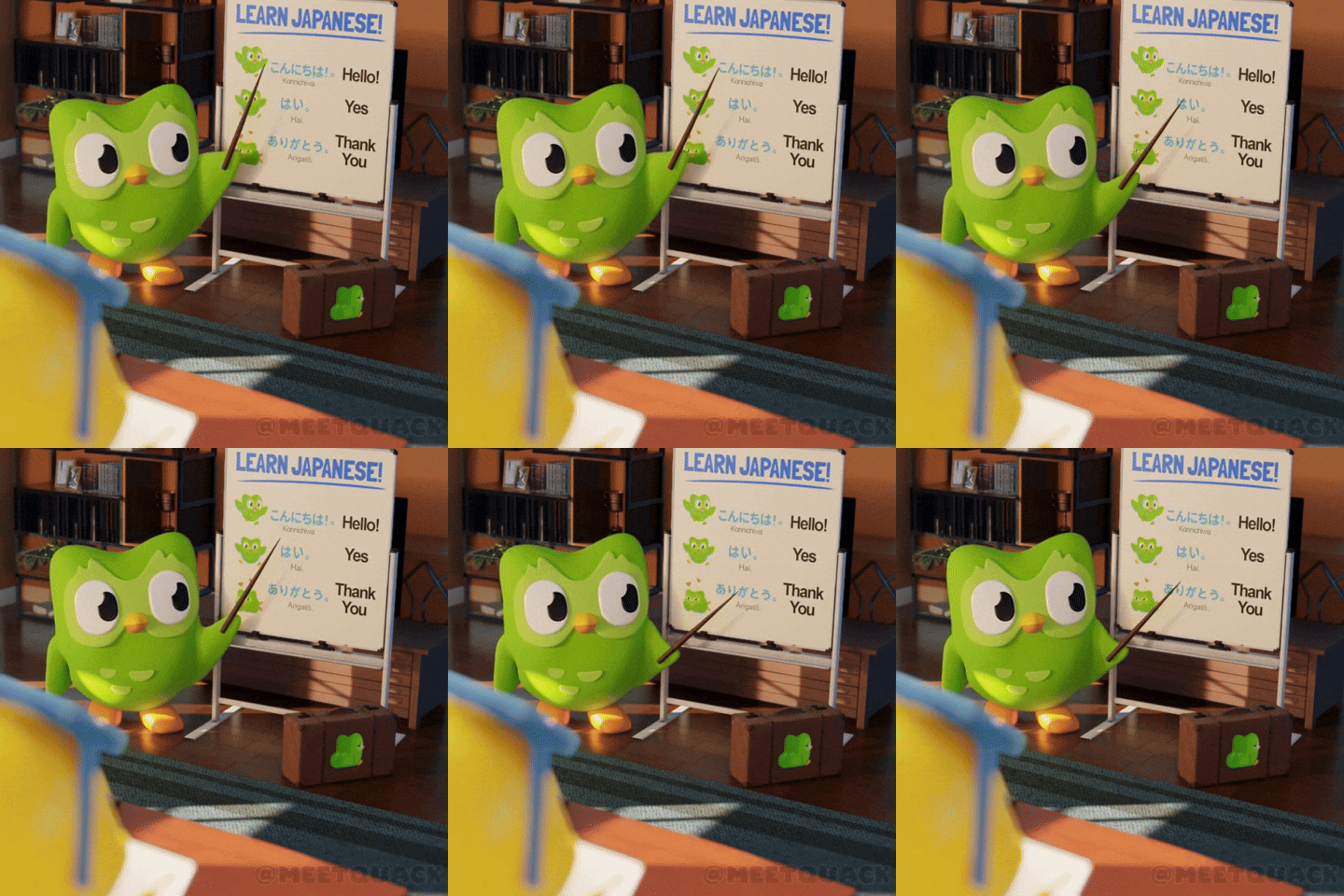
If you’re not familiar, Duolingo is the world’s most popular language-learning app, famous for its addictive gamified lessons, relentless owl mascot, and ability to guilt-trip you into practicing Japanese at midnight.
Over the last two weeks, Duolingo has dropped over 30%, with most of the damage coming right after last Thursday’s earnings report. So, was this a fair punishment, or did Wall Street totally overreact?
If you just looked at the revenue numbers, you’d think Duolingo had a killer quarter. They pulled in $209.6 million, up 38% year-over-year, easily beating expectations. Subscription bookings were up 50%, hitting a record $236.5 million. Daily active users hit 40.5 million… exactly what analysts were looking for. Sounds great, right?
Well, Wall Street didn’t care about any of that. Investors only saw one number: earnings per share. Analysts were expecting $0.48, but Duolingo only delivered $0.28… a 40% miss (in case you needed help with the math). Why? Higher-than-expected operating expenses. And just like that, investors panicked, like Trump was throwing around tariffs or something.

Honestly… it kinda looks like the market overreacted. Sure, that EPS miss wasn’t pretty, but Duolingo is still growing like crazy. A 38% revenue jump is not something you see from a struggling company. Their premium subscription model is on fire, especially with all the AI-powered features they’ve been rolling out… things like real-time translations and personalized lessons.
And let’s not forget, Duolingo is basically a social media celebrity. With 17 million TikTok followers, they’ve turned their brand into a viral machine. That kind of exposure is key for growth. More importantly, analysts aren’t backing down. Barclays, JPMorgan, and Piper Sandler all doubled up on their Buy ratings after the drop. Some even have price targets as high as $410. That’s a 38% upside from Monday’s closing price of $295.

When big-name analysts stay bullish after a major sell-off, it’s usually a sign that the market overreacted. From a technical perspective, Duolingo looks super oversold. Its Relative Strength Index is at 28… historically, that’s the level where stocks tend to bounce.
Plus, it just dropped back to October prices, which previously acted as a strong support level. If buyers step in here, we could see a fast recovery rally. Between dip buyers, short sellers taking profits, and big institutions loading up on shares at a discount, Duolingo could snap back to the $330–$350 range fast.
For Duolingo to really turn things around, they need to show that last quarter’s earnings miss was just a fluke. That means they need to tighten cost control and figure out their margins.

Right now, Wall Street is treating Duolingo like it just got caught cheating on a test. But if you zoom out, the bigger picture tells a different story. The company is still growing like crazy. Analysts are standing by it. And the stock is deeply oversold. If you’re looking for a high-growth stock at a discount, this might be one of the best entry points in months.

And let’s be real… Wall Street has the attention span of a goldfish. If Duolingo delivers a strong earnings report next quarter, everyone will forget this drop even happened.
Stocks.News has positions in Duolingo and JP Morgan mentioned in article.